For a more than human humanism
My interdisciplinary research brings Literature, Philosophy, and History into dialogue with the Earth Sciences. Rooted in a longstanding engagement with humanism and its limits, my work explores the role of literature in understanding the human condition, particularly the experiences of war and peace, memory, and testimony.
The Dolomites have become a significant setting for this inquiry, where geological time, historical violence, and environmental transformation invite us to rethink the relationships between human and more-than-human worlds.


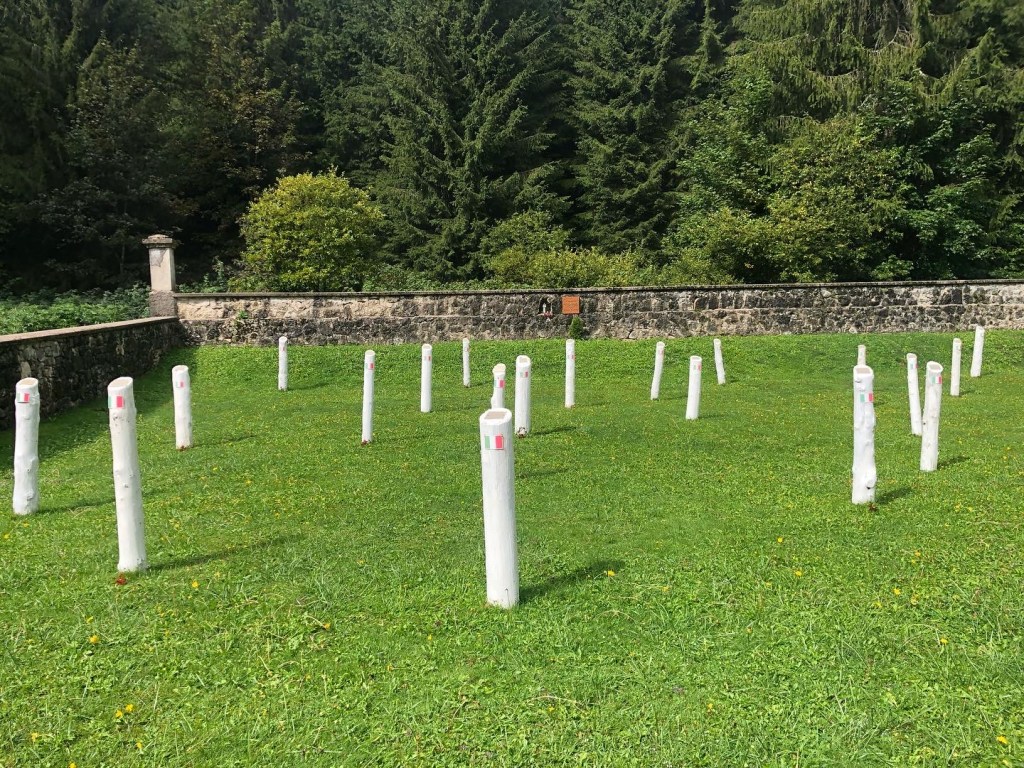

The Dolomites: A Landscape of Memory and Transformation
My engagement with the Dolomites has grown out of an evolving intellectual and existential dialogue with the landscape. What began as an encounter with their extraordinary natural beauty gradually became an inquiry into geological time, human history, memory, and war.
The Dolomites have become more than a subject of study: a place where nature, culture, and the possibilities of peace intersect, shaping my understanding of a more-than-human humanism.
Research Trajectories
My current work on the Dolomites and more-than-human humanism grows out of interconnected research on literature, philosophy, history, and ethics, extending toward the ecological and geological perspectives of the Anthropocene and an understanding of the Earth as Gaia.
Mediterranean Humanism: Literature, Ethics, and Ecology
Exploring the Mediterranean as a space of literary imagination, cultural memory, ethical encounters, and ecological thought.
Vico: Humanism, Nature, and the Poetic Imagination
Investigating Vico’s understanding of human origins, poetic knowledge, and the relationship between humanity and the natural world.
Petrarch: Poetry, Landscape, and the Ethics of Writing
Exploring landscape as a natural, existential, and cultural experience in Petrarch’s poetry, and its relationship to literary subjectivity, ethical reflection, and the practice of writing.
Literature, Writing, Ethics, and Testimony
Exploring literature as ethical inquiry and testimony, particularly in relation to war, historical violence, and human experience.
Earlier Research: Humanism and the Digital Age
Oregon Petrarch Open Book and Humanist Studies and the Digital Age represent two interconnected stages of my research into humanism and digital culture. Beginning with the exploration of new possibilities for reading and interpreting Petrarch through digital scholarship, this work developed into a broader critical inquiry into the transformations of humanistic knowledge in the digital age. The journal, which I founded and edited, became a forum for examining these changes, including the emerging challenges of artificial intelligence. Both projects concluded in 2024, opening the way to a new phase of my intellectual journey.


Stay in Touch
Contributions are published in English and Italian.

