More than human humanism
-

2025 Earth Day
Giorgio Caproni’s verses emphasize the interconnectedness of nature and humanity, urging against the destruction of ecosystems for profit. He laments that love ceases where nature dies, and reflects on the potential beauty of Earth in humanity’s absence, highlighting the dire consequences of environmental degradation.
-

Understanding Gaia: War, Peace, and the Anthropocene
The Anthropocene era reveals the intertwined relationship between humanity and Gaia, emphasizing our dual role as both insignificant in cosmic scale yet possessing immense geological power. This era challenges traditional views of nature, framing it as a dynamic participant rather than a passive backdrop. Latour advocates for a new politics of coexistence, urging humans to…
-

Recontextualizing Controversial Monuments: Lessons from Bolzano, historical and natural monuments
The discussion of “cancel culture” and historical monuments, including the General Lee statue and the Monument to Victory in Bolzano, highlights the ongoing debate over the removal or reuse of controversial symbols. Alessandro Manzoni’s reflections and romantic irony illustrate how these acts are not new but part of a long history of social discourse, urging…
-
Peace, Process Philosophy, and Youth’s Tragedy
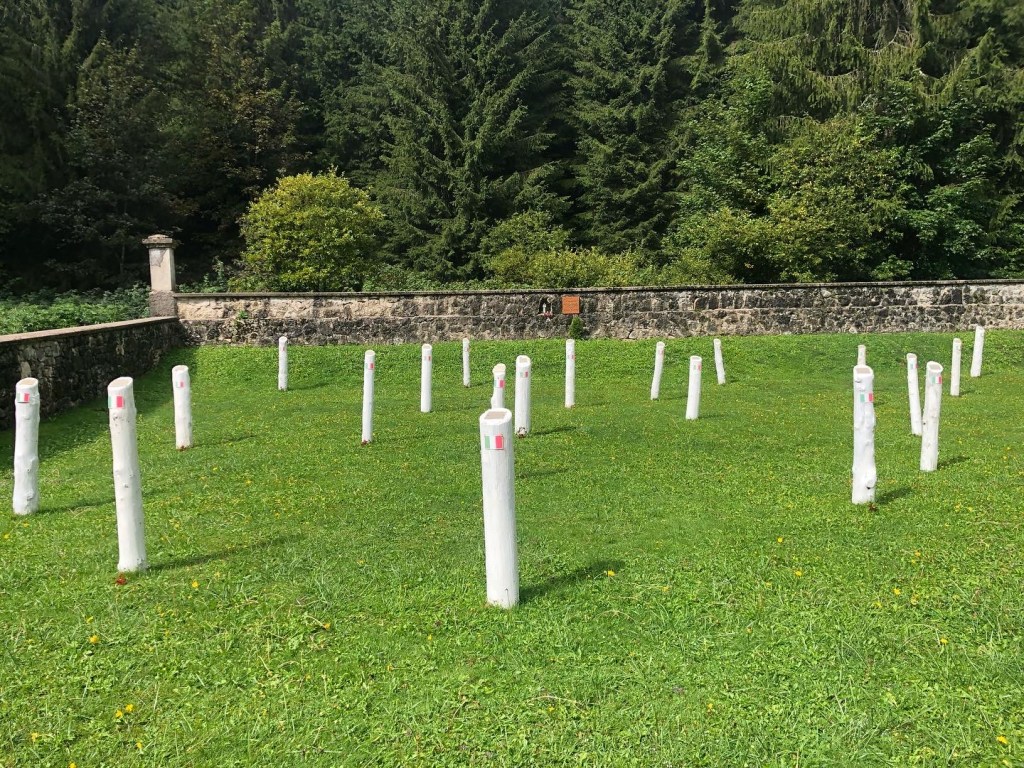
Alfred North Whitehead’s “process philosophy” inspires a dynamic idea of peace that is not considered an essence or a goal to achieve. It does not stand in opposition to war. Instead, it appears to be a method, a process, or an event of continuous becoming by which humans learn to comprehend the tragic dimension of…
-
How can we talk about peace? Heraclitus, the twentieth century as war, and us
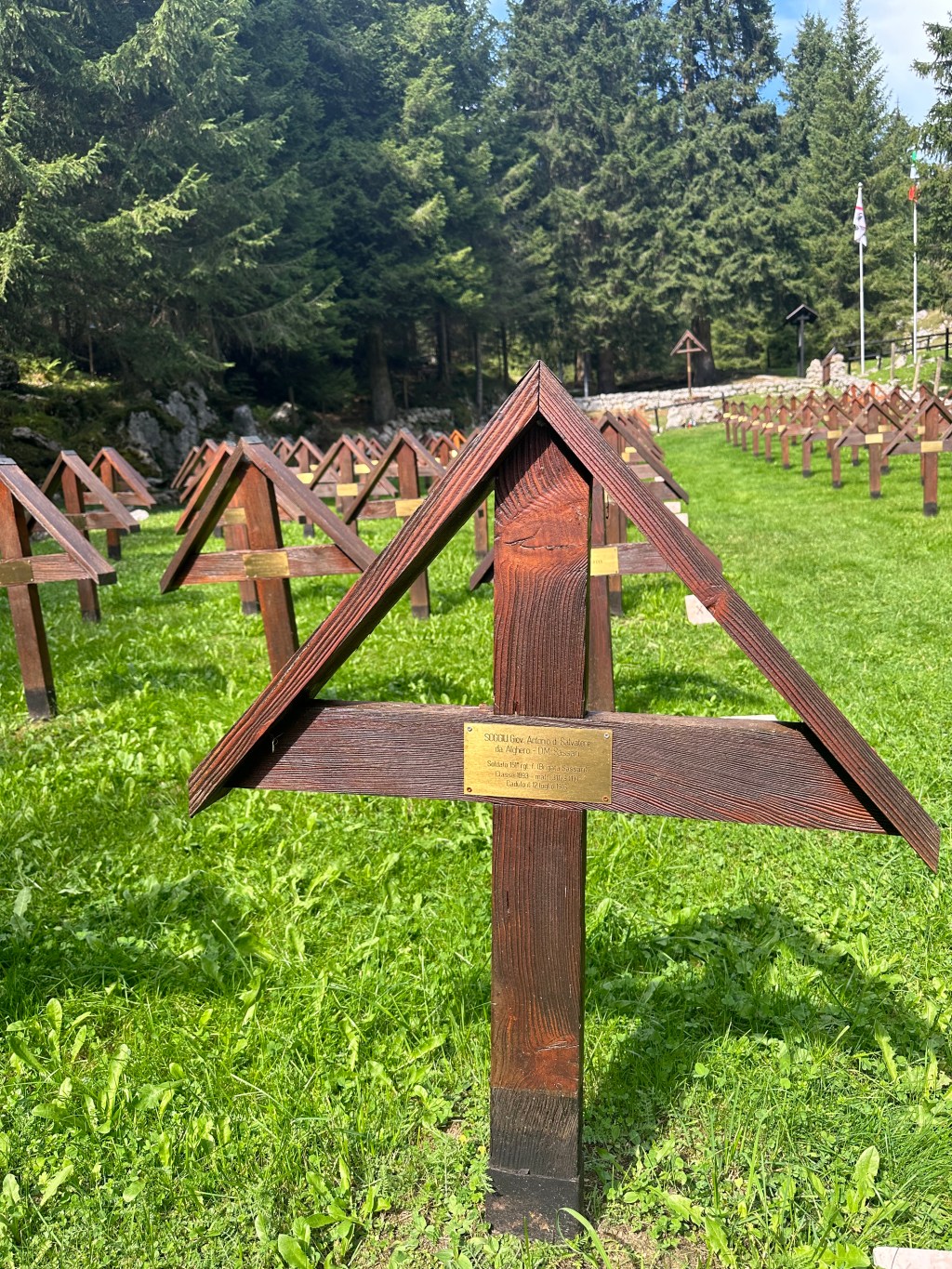
Heraclitus and current ideas of war and peace In a recent post on this blog, I reflected on the similarities between the international situation created by the current war in Ukraine and the one that gave rise to the First World War at the beginning of the last century. After one year, the more recent…
-

2023 World Poetry Day
Laudes Creaturarum[Cantico di Frate Sole] by St Francis of Assisi It is one of the oldest poems in Italian literature, composed in the illustrious Umbrian vernacular and not in Latin because Saint Francis wanted to reach a vast audience. The metric form of the composition is rhythmic assonance prose or rhymed with stanzas of two,…
 Massimo Lollini