Since my teenage years, I have been drawn to literature and philosophy as ways of searching for meaning in my life, in my relationships with others, and in my encounters with the natural world. This early intellectual and existential impulse has accompanied me throughout my career as a teacher, researcher, and writer. The questions that first inspired me have never entirely disappeared; instead, they have continued to evolve, finding new expressions in changing historical, cultural, and personal circumstances.
For thirty-two years, I taught at the University of Oregon, where teaching and research were inseparable aspects of my intellectual life. My encounters with students and colleagues continually challenged me to reconsider familiar ideas, explore new perspectives, and remain open to questions that resisted definitive answers. Following my retirement and return to Italy, I have entered a new phase of this journey, one that allows me to pursue longstanding interests while engaging more directly with the landscapes, histories, and cultural traditions that have shaped my life.
At the center of my research is the question of humanism: how we understand what it means to be human, how human identities are constituted through language, culture, and history, and how our relationship with the natural world challenges traditional anthropocentric assumptions.
My first book, Le muse, le maschere e il sublime. G. B. Vico e la poesia nell’età della “ragione spiegata” (1994), explored the relationship between poetic imagination, language, and modernity in Giambattista Vico. This research subsequently developed into a broader reconsideration of humanism, particularly through an ecocritical perspective emphasizing the relational and historical character of human existence.
A second major direction of my work concerns literature, ethics, and testimony. In Il vuoto della forma. Scrittura, testimonianza e verità (2001), I examined how writers such as Antonio Gramsci, Italo Calvino, Primo Levi, and Paul Celan confront the ethical and historical challenges of bearing witness to violence and traumatic experience. These questions have remained central to my reflections on war, peace, memory, and the responsibilities of writing.
My research on Mediterranean literature and culture has provided another important perspective on these concerns. Through studies of writers such as Vincenzo Consolo, Umberto Saba, and Eugenio Montale, I have explored the Mediterranean as a space of cultural memory, ethical encounter, and ecological imagination. In 2006, I coedited with Norma Bouchard Reading and Writing the Mediterranean: Essays by Vincenzo Consolo. This work contributed to my developing interest in a Mediterranean more-than-human humanism.
Another significant chapter of my academic career was devoted to the digital humanities. I directed the Oregon Petrarch Open Book project, exploring new forms of literary scholarship, reading, and collaboration made possible by digital technologies. I also founded and edited Humanist Studies and the Digital Age, a peer-reviewed journal that examined the transformations of humanistic scholarship in the digital era. These projects culminated in broader reflections on the relationship between humanism, technology, and artificial intelligence.
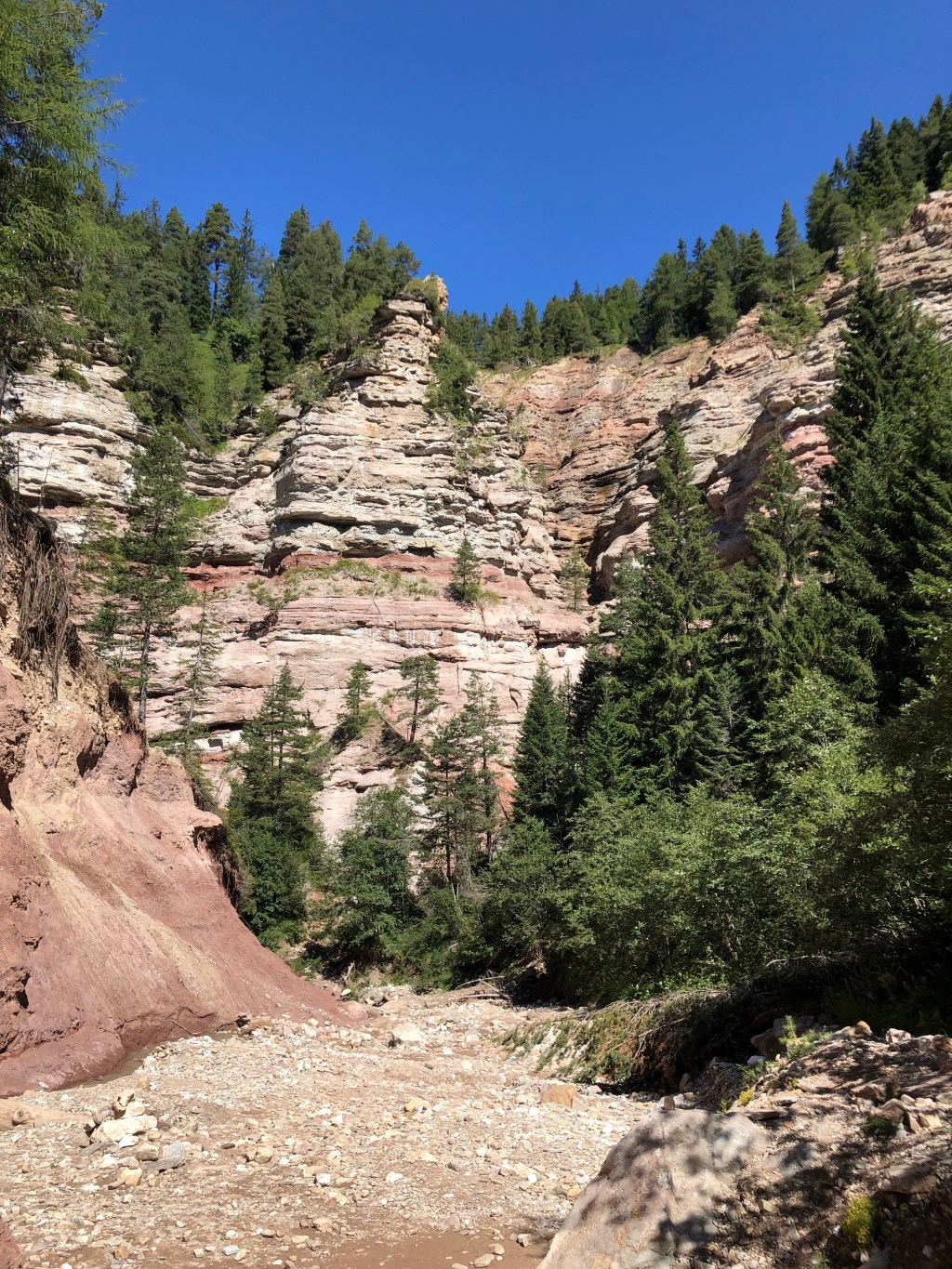
My more recent research brings these different intellectual trajectories together through an interdisciplinary engagement with the Dolomites. Their landscapes, shaped by geological time and marked by the history of war, offer an opportunity to reconsider the relationships between humanity and nature, memory and place, violence and peace.
The concept of more-than-human humanism provides a continuing framework for this work. Rather than abandoning the humanistic tradition, I seek to rethink it through a deeper awareness of the ecological, geological, historical, and ethical relationships that constitute human existence.
In this sense, my current work remains connected to the questions that first drew me to literature and philosophy: how we understand our place in the world, how we respond to the experiences of others, and how we might imagine more responsible ways of inhabiting the Earth.